Sauna vs Steam Room: What's the Difference and Which Should You Choose?
Sauna vs steam room is one of those choices people make on instinct at the gym, then wonder if they picked the right door. They look similar, they both make you sweat, and they are often side by side, but they work in genuinely different ways and suit different goals. The core difference is simple: a sauna is hot and dry, a steam room is cooler and completely wet. That one distinction changes how they feel, what they do for you, and which one you should use. Here is the honest comparison.
The core difference: dry heat vs wet heat
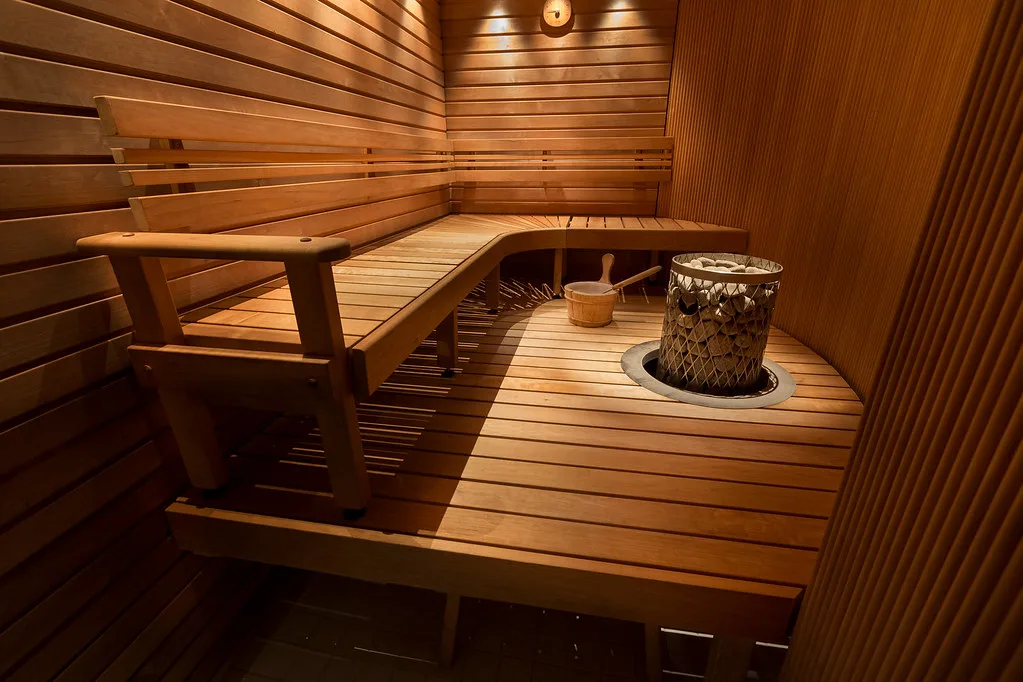
A sauna uses dry heat. Traditional saunas run hot, roughly 65 to 90°C, but with low humidity of around 5 to 30%. Your sweat evaporates off your skin, which is exactly how your body cools itself, so you can tolerate the high temperature. If you have never used one, our what is a sauna explainer covers the basics.
A steam room uses wet heat. It runs much cooler, around 43 to 49°C, but at 100% humidity, so the air is saturated with moisture. Because your sweat cannot evaporate in that wet air, a steam room can actually push your core temperature up faster than a sauna despite the lower reading on the thermometer.
That is the whole thing in a nutshell: same idea, opposite environments.
How each one feels
A sauna feels crisp and intense: a high, dry heat that hits fast and eases as you settle. You can throw water on the stones (a löyly) to raise the humidity in bursts. A steam room feels enveloping and heavy: warm fog on your skin, harder to see across the room, and a sensation of the heat sinking in slowly. Some people find dry heat more comfortable to breathe; others find the moist air of a steam room soothing. Personal preference matters more here than any spec.
Health benefits compared
Both give your cardiovascular system a gentle workout by raising your heart rate as your body manages the heat, and both are relaxing. Where they differ:
- Sauna has the stronger long-term research behind it. Large, long-running Finnish studies have linked regular sauna use with benefits for heart health, sleep and general wellbeing. Dry heat is also popular for muscle recovery and easing stiff joints after exercise. It is always worth reading general heart-health guidance and checking with your GP if you have a heart condition.
- Steam room shines for the respiratory system and skin. The warm, moist air can help ease congestion and sinus discomfort and feels hydrating on the skin, which is why many people prefer it during a cold. See is a sauna good for a cold for how the two compare when you are under the weather.
Neither is a medical treatment, and both should be used sensibly: stay hydrated, keep sessions short (10 to 15 minutes to start), and get out if you feel light-headed.
Which should you choose?
- For long-term health, recovery and a hotter, more traditional experience: the sauna.
- For breathing, congestion, sensitive skin or if you dislike very high dry heat: the steam room.
- If you can, use both. Many people alternate, and a cool shower or cold plunge between rounds is a classic contrast routine. Our guide to sauna, shower and hydrotherapy explains how to cycle them safely.
There is no single winner; it comes down to your body, your goals and what feels good.
If you are buying one for home
For home installs, the choice also comes down to space and plumbing. A sauna needs a heater and good ventilation but is otherwise a dry timber room, and is generally simpler and cheaper to run. A steam room needs a sealed, fully tanked and tiled space plus a steam generator, which is a bigger building job. If you are torn between heat types, also weigh up a traditional vs infrared sauna, since infrared offers a gentler, lower-temperature dry heat that some people prefer. Check current prices from UK suppliers before you commit, as generators and heaters vary widely.
Frequently asked questions
What is the main difference between a sauna and a steam room? A sauna uses dry heat at a high temperature (around 65 to 90°C) with low humidity, while a steam room uses wet heat at a lower temperature (around 43 to 49°C) with 100% humidity. Dry versus wet is the key difference.
Which is better, a sauna or a steam room? Neither is simply better; they suit different goals. Saunas have stronger long-term health research and suit recovery and higher heat. Steam rooms are better for breathing, congestion and skin hydration. Many people use both.
Is a sauna or steam room better for a cold? Many people prefer a steam room when congested, because the warm, moist air can ease sinus and chest congestion. A sauna can still feel good but is drier. Avoid either if you have a fever, and rest instead.
Should you use the sauna or steam room first? There is no strict rule. A common approach is to start with whichever you find gentler, keep sessions short, cool down and rehydrate between rounds, and finish with a cool shower. Alternating the two is popular.
How long should you stay in a sauna or steam room? Start with about 10 to 15 minutes and build up as you get used to it. Leave sooner if you feel dizzy or unwell, drink water before and after, and do not use either after alcohol.
Is a steam room hotter than a sauna? No, the air temperature in a steam room is lower, but because the 100% humidity stops your sweat evaporating, it can raise your core temperature faster and feel just as intense as a hotter, drier sauna.
More from Baltic Spa
 Reviews
The Best Public Saunas in London for 2026, Tested and Ranked
We tested and ranked the best public saunas in London for 2026, from £9.50 community baths to Canary Wharf's 60-person contrast therapy hall.
 Infrared Saunas
Infrared Sauna Blankets: How They Work and Who They Suit
How an infrared sauna blanket works, what the layers and EMF claims really mean, who they suit and who should avoid one, from an evidence-first UK guide.
Sauna Stones Calculator: How Many Kg of Stones Do You Need?
Free sauna stones calculator: enter your electric heater's kW or your wood stove size and get the recommended stone weight in kg, plus how many boxes to buy.