Infrared Sauna Running Costs: What You'll Pay Per Session
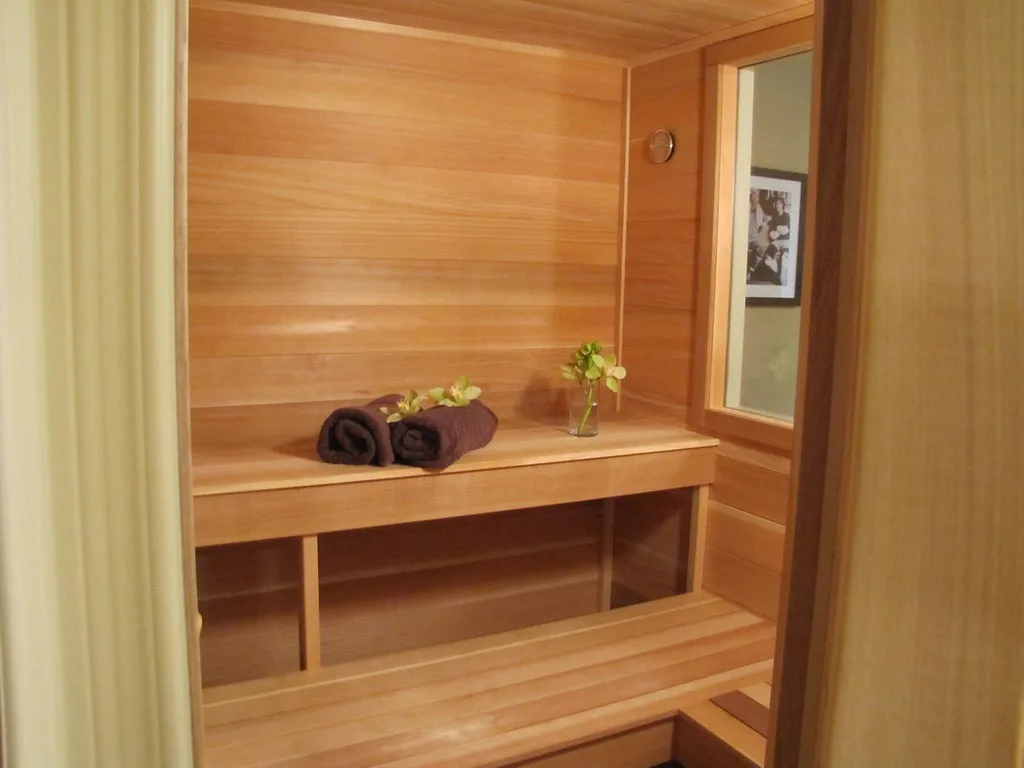
Infrared sauna running costs are the part buyers worry about most and, happily, the part that turns out cheapest. At 2026 UK electricity prices a typical home infrared session costs roughly 25p to 60p, and most households running three or four sessions a week spend only about £4 to £8 a month on power. Infrared cabins are markedly cheaper to run than traditional saunas because they heat your body directly rather than warming a whole room of air. This guide gives the real per-session numbers, the simple formula so you can work out your own cost, and how cabins compare with infrared blankets.
As with every figure here, treat these as indicative. Your actual cost depends on your sauna’s wattage, how long you sit, and above all your own electricity tariff, so plug your own numbers into the formula below.
The simple formula
Running cost comes down to three things:
Power (kW) × session length (hours) × your electricity rate (£/kWh) = cost per session.
For example, a 2 kW cabin run for 45 minutes (0.75 hours) at 27p per kWh works out at 2 × 0.75 × £0.27, which is about 40p. That is the whole calculation. The only wrinkle is that an infrared heater draws close to full power while warming up, then cycles on and off to hold temperature, so real energy use per session is usually a little lower than the flat sum suggests.
What a session actually costs
The average UK electricity unit rate under the 2026 price cap sits at roughly 27p per kWh, though it moves with the cap and your tariff. Using that, here is what typical infrared saunas cost per session.
| Sauna | Typical power | Energy per session | Cost per session (at 27p/kWh) |
|---|---|---|---|
| Infrared blanket | 0.6 to 0.9 kW | 0.4 to 0.6 kWh | roughly 11p to 16p |
| 1-person cabin | 1.5 to 1.8 kW | 1.0 to 1.3 kWh | roughly 27p to 35p |
| 2-person cabin | 1.8 to 2.2 kW | 1.3 to 1.6 kWh | roughly 35p to 43p |
| 3 to 4-person cabin | 2.4 to 3.0 kW | 1.7 to 2.2 kWh | roughly 46p to 60p |
So even the largest home cabins rarely cost more than about 60p a session, and an infrared blanket is cheaper still because it draws far less power. If you want to run your exact model, our sauna running cost calculator does the maths for you.
What it adds up to over a month and year
Multiply per-session cost by how often you use it. At three to four sessions a week, a 2 kW cabin at 27p per kWh comes to roughly £4 to £8 a month, or in the region of £50 to £95 a year. Use it daily and a bigger cabin might reach £12 to £15 a month. Either way, it is a small running cost set against the upfront price of the sauna itself, which our home sauna cost guide covers in full.
Why infrared is cheaper to run than a traditional sauna
Infrared saunas use far less electricity than traditional ones, often around 75% less. The reason is simple: a traditional electric sauna has a 6 to 9 kW heater that must warm a whole room of air to 80°C or more and hold it there. An infrared cabin uses low-power emitters, typically 1.5 to 3 kW, to warm your body directly at a much lower air temperature, so it draws a fraction of the power and needs little warm-up time. If you are weighing the two, our traditional vs infrared sauna comparison sets out the wider trade-offs beyond running cost.
What pushes your running cost up or down
Four things move the number:
- Wattage. A bigger, higher-power cabin costs more per session. Match the size to how many people actually use it.
- Session length. Cost is directly proportional to time. A 30-minute session costs a third less than a 45-minute one.
- Your tariff. This is the biggest variable. The same sauna costs very different amounts on a cheap fixed tariff versus a standard variable one, and running it on an off-peak overnight rate can roughly halve the cost.
- Room and starting temperature. A cabin in a cold garage takes longer to reach temperature than one in a warm room, using a little more energy each time.
Are infrared saunas cheap to run overall?
Yes. Compared with almost any other piece of wellness or fitness equipment, the electricity to run an infrared sauna is minor, typically a few pounds a month for regular use. The real cost of a home sauna is the purchase, not the power, which is why running cost should rarely be the deciding factor. For the fuller picture on whether one earns its place, see our honest look at whether home saunas are worth it. You can also check the latest average unit rate against Ofgem’s energy price cap before running your own figures.
Frequently asked questions
How much does an infrared sauna cost to run per session? At 2026 UK electricity prices of around 27p per kWh, a typical home infrared session costs roughly 25p to 60p, depending on the size of the cabin. A one-person cabin is nearer 30p, a large three or four-person cabin nearer 60p, and an infrared blanket cheaper still at around 11p to 16p.
How much does an infrared sauna cost to run per month? Most UK households using an infrared sauna three or four times a week spend about £4 to £8 a month on electricity. Daily use of a larger cabin might reach £12 to £15 a month. It is a small running cost compared with the upfront price of the sauna.
Are infrared saunas cheaper to run than traditional saunas? Yes, usually around 75% cheaper. A traditional sauna uses a 6 to 9 kW heater to warm a whole room of air, while an infrared cabin uses 1.5 to 3 kW emitters to heat your body directly at a lower air temperature, so it draws far less power and needs little warm-up.
How do I work out my own infrared sauna running cost? Use the formula: power in kW multiplied by session length in hours multiplied by your electricity rate in pounds per kWh. For example, a 2 kW cabin for 45 minutes at 27p per kWh is 2 × 0.75 × 0.27, which is about 40p. Real use is often slightly lower because the heater cycles once warmed up.
Does an infrared sauna use a lot of electricity? No. An infrared cabin typically draws 1.5 to 3 kW and uses only 1 to 2 kWh per session, less than many kitchen appliances over the same time. Even with frequent use, the monthly cost is usually just a few pounds, so infrared saunas are considered cheap to run.
Can I cut my infrared sauna running costs? Yes. Run shorter sessions, choose a cabin sized to how many people actually use it rather than a larger one, keep it in a warmer room so it heats faster, and if you have a time-of-use tariff, use it during off-peak hours, which can roughly halve the electricity cost.
More from Baltic Spa
 Reviews
The Best Public Saunas in London for 2026, Tested and Ranked
We tested and ranked the best public saunas in London for 2026, from £9.50 community baths to Canary Wharf's 60-person contrast therapy hall.
 Infrared Saunas
Infrared Sauna Blankets: How They Work and Who They Suit
How an infrared sauna blanket works, what the layers and EMF claims really mean, who they suit and who should avoid one, from an evidence-first UK guide.
Sauna Stones Calculator: How Many Kg of Stones Do You Need?
Free sauna stones calculator: enter your electric heater's kW or your wood stove size and get the recommended stone weight in kg, plus how many boxes to buy.